
Aoraki Trade Exports
THE MULTI-CURRENCY REQUEST
TRADE · CROSS-BORDER · DIFFICULTY 3/5
You have ten minutes. What do you do?
Read the file
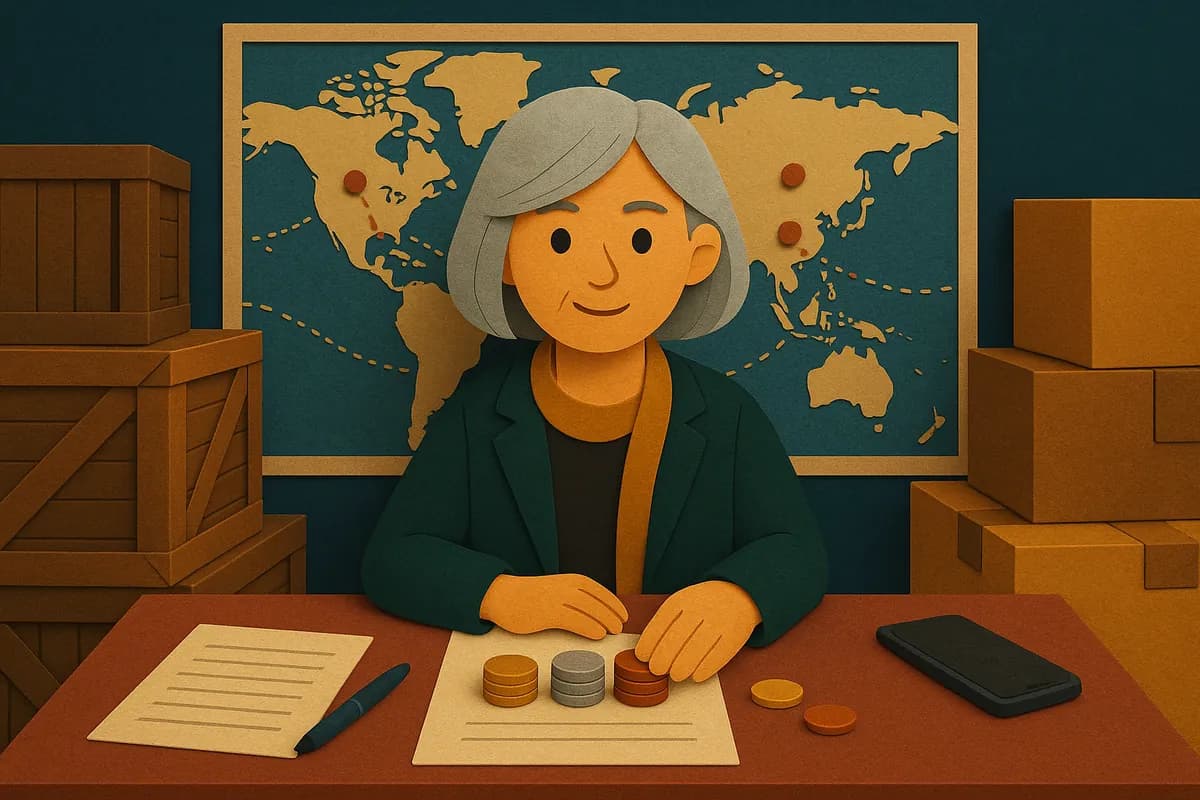

// THE SETUP
Aoraki Trade Exports is a 12-year-old NZ exporter of premium nutritional and specialty food products, selling through distributors in Singapore, Taipei, and — for the past two years — two fast-growing relationships in Greater China. Founder-MD, first generation. Annual revenue NZ$36m equivalent, around 75% of it invoiced in USD. The cost base — raw materials, processing, wages — is almost entirely NZD.
The MD called on Tuesday. He wants to replace the existing NZ$4.0m revolver with a NZ$6.0m-equivalent multi-currency facility — "drawable in USD, maybe one or two others." Asked which others, and against which flows, he says he'll confirm the mix at documentation; what he needs this week is approval in principle, before peak shipping season. He mentions, without being asked, that another bank has a term sheet on his desk.
Eight years with the bank. Conduct clean, covenants clean, reviews on time. The relationship manager is supportive — "exporters need currency flexibility, everyone offers this." You're sitting on the credit committee when the file lands on your desk.
You have the financials. You have ten minutes. What do you do?
Read it against its own file first: the board's treasury policy, last provided at the FY23 review, calls for cover six to twelve months ahead. Cover now runs four.
// THE FILE
THREE YEARS OF ACCOUNTS · NZ$000 · FY23–FY25
FY25 is the last full year of accounts. Sales invoiced in US dollars are shown at their NZ$ equivalent. Debtor days in the ratios are on all sales; the US-dollar ledger alone runs at 74. Figures in NZ$000. Operating cash flow is after interest and tax paid; debtor days are on revenue, stock and creditor days on cost of sales. A composite borrower: the accounts belong to no real company.
THE FACILITIES
- Revolver (NZD)Drawn close to the limit at the October shipping peak. Currencies requested: USD, and 'to be confirmed'.
- NOWNZ$4.0m limit · NZ$1.3m drawn at year-end
- REQUESTEDNZ$6.0m equivalent, multi-currency
- HedgingNine months two years ago. Run by the finance manager on a rolling book of forwards.
- NOWFour months of forecast USD receipts covered
- REQUESTED—
- Security and covenantsEight years with the bank, reviews on time.
- NOWGeneral security agreement; covenants clean
- REQUESTEDTo be set with the structure
PROFIT AND LOSS
| Line | FY23 | FY24 | FY25 |
|---|---|---|---|
| Revenue | 28,100 | 32,000 | 36,000 |
| Cost of sales | (21,638) | (24,640) | (27,720) |
| Gross profit | 6,462 | 7,360 | 8,280 |
| Overheads | (3,371) | (3,840) | (4,356) |
| EBITDA | 3,091 | 3,520 | 3,924 |
| Depreciation | (450) | (480) | (520) |
| EBIT | 2,641 | 3,040 | 3,404 |
| Interest | (150) | (180) | (250) |
| Profit before tax | 2,491 | 2,860 | 3,154 |
| Tax | (697) | (801) | (883) |
| Net profit after tax | 1,794 | 2,059 | 2,271 |
BALANCE SHEET AT YEAR-END
| Line | FY23 | FY24 | FY25 |
|---|---|---|---|
| Cash | 900 | 1,100 | 1,200 |
| Receivables | 3,630 | 4,874 | 6,460 |
| of which invoiced in US dollars | 2,244 | 3,647 | 5,474 |
| Inventory | 3,150 | 3,300 | 3,500 |
| Current assets | 7,680 | 9,274 | 11,160 |
| Plant and equipment | 3,550 | 3,670 | 3,650 |
| Total assets | 11,230 | 12,944 | 14,810 |
| Trade payables | 2,336 | 3,191 | 3,286 |
| Revolver (drawn) | 1,300 | 1,300 | 1,300 |
| Term loan | 0 | 0 | 0 |
| Total liabilities | 3,636 | 4,491 | 4,586 |
| Shareholders' equity | 7,594 | 8,453 | 10,224 |
CASH FLOW
| Line | FY23 | FY24 | FY25 |
|---|---|---|---|
| EBITDA | 3,091 | 3,520 | 3,924 |
| Increase in working capital | 56 | (539) | (1,691) |
| Interest paid | (150) | (180) | (250) |
| Tax paid | (697) | (801) | (883) |
| Operating cash flow | 2,300 | 2,000 | 1,100 |
| Capital expenditure | (500) | (600) | (500) |
| Dividends | (1,500) | (1,200) | (500) |
| Term loan drawn / (repaid) | 0 | 0 | 0 |
| Revolver drawn / (repaid) | (200) | 0 | 0 |
| Net change in cash | 100 | 200 | 100 |
RATIOS FROM THE STATEMENTS ABOVE
| Ratio | FY23 | FY24 | FY25 |
|---|---|---|---|
| Revenue growth | — | 13.9% | 12.5% |
| EBITDA margin | 11.0% | 11.0% | 10.9% |
| Operating cash flow ÷ EBITDA | 74.4% | 56.8% | 28.0% |
| Debtor days (on revenue) | 47 | 56 | 65 |
| Stock days (on cost of sales) | 53 | 49 | 46 |
| Creditor days (on cost of sales) | 39 | 47 | 43 |
| Cash conversion cycle, days | 61 | 57 | 68 |
| Total debt ÷ EBITDA | 0.4× | 0.4× | 0.3× |
THE REST OF THE FILE · SECURITY · COVENANTS · CONDUCT · DEBTORS · BUDGET
As the file stood when the request arrived: FY25 the last full year of accounts, the FY26 budget approved by the board. What a bank has on file beyond the accounts — enough to write a full credit paper on. A composite borrower: none of it belongs to a real company.
OWNERSHIP, PEOPLE, PREMISES
- 100% The founder-MD's family trust — Has held all the shares since the company was formed twelve years ago; the MD and a professional trustee are the trustees
- Managing director.
- The founder, first generation. Runs the four distributor relationships himself. Forward contracts are placed by the finance manager on his approval.
- Finance manager.
- Runs the finance function and the forward book; joined six years ago. Monthly management accounts and a monthly treasury report go to the MD; neither comes to the bank.
- Operations manager.
- Runs the plant: processing, packing, quality and the export documents.
Leased, not owned: a processing and packing plant at Washdyke, near Timaru, let by an unrelated property owner, with nine years left on the lease, one right of renewal, and a right of first refusal if the landlord sells. Head office and a dry store are on the same site. About eighty permanent staff, with seasonal packers through the shipping peak. The rent sits in overheads.
FACILITIES AND PRICING
- Working capital revolver (NZD)
- Limit NZ$4.0m; NZ$1.3m drawn at the FY25 year-endFloating; 8.25% all-in on drawings through FY25; line fee 0.50% a year on the limitAnnual review, rolling. NZ dollars only
- Foreign exchange line
- Forward contracts to twelve months, up to NZ$12.0m equivalent outstandingDealing margin on each contractUS dollars sold for NZ dollars, against the company's own receipts; NZ$7.09m equivalent outstanding at the FY25 year-end
- Trade services
- Export documentary collections; a US-dollar account that receives the distributors' remittancesFees per item
- The request
- A NZ$6.0m-equivalent multi-currency facility, to replace the revolverNot yet discussed“Drawable in USD, maybe one or two others”; the mix to be confirmed at documentation. Approval in principle asked for this week, before peak shipping
SECURITY
- General security agreement
- Over all present and after-acquired property of Aoraki Trade Exports Ltd, first-ranking, registered when the relationship began eight years ago.
- The landlord's waiver
- The Washdyke landlord has agreed in writing that the bank may enter the plant to take and remove plant and stock.
- Trade credit insurance
- The bank is named as loss payee on the single-buyer policy over the Singapore distributor. No other buyer is insured.
- Guarantees
- None.
COVENANTS, TESTED ON THE AUDITED ACCOUNTS
| Covenant | FY23 | FY24 | FY25 |
|---|---|---|---|
| Interest cover (EBIT to interest) At least 3.0× | 17.6× | 16.9× | 13.6× |
| Equity ratio (shareholders' funds to total assets) At least 40% | 68% | 65% | 69% |
- Audited annual accounts within 120 days of year-end, with a certificate of the two covenants. FY25's arrived on day 96.
- An aged debtors ledger each half-year. Nothing on hedging is required; the treasury policy was last provided at the FY23 review.
- Eight annual reviews, each on time. Every covenant met and no excess on the revolver since the relationship began.
- With the request: the FY25 aged ledger, the four distributor agreements, and the year's remittances by distributor.
THE REVOLVER, MONTH-END BY MONTH-END · LIMIT NZ$4.00m
- M1NZ$1.72m
- M2NZ$2.24m
- M3NZ$2.78m
- M4NZ$3.26m
- M5NZ$3.62m
- M6NZ$3.85m
- M7NZ$3.93m
- M8NZ$3.71m
- M9NZ$3.18m
- M10NZ$2.52m
- M11NZ$1.86m
- M12NZ$1.30m
No excess over the limit and no dishonoured payment in the year. Drawn to within NZ$0.07m of the limit at the shipping peak, and back to NZ$1.3m at the year-end, as at each of the two year-ends before.
DEBTORS AT THE FY25 YEAR-END
| US dollars — up to 30 days from invoice | NZ$2.05m | 32% |
|---|---|---|
| US dollars — 31–60 days | NZ$1.72m | 27% |
| US dollars — 61–90 daysMostly the Greater China pair, whose 60 days run from arrival | NZ$1.27m | 20% |
| US dollars — over 90 daysThree shipments to the Greater China pair held a month at a transhipment port. Their terms run from arrival, so none was yet due; all paid in the first two months of FY26 | NZ$0.44m | 7% |
| NZ dollars — within terms | NZ$0.93m | 14% |
| NZ dollars — past termsThree wholesale accounts, each under 30 days late | NZ$0.06m | 1% |
| Total, as in the balance sheet | NZ$6.46m |
CUSTOMERS
- Singapore distributorA customer for ten years. US dollars; open account, 45 days from invoice; covered by a single-buyer trade credit policy at 90% indemnity
- 25%
- 23%
- Taipei distributorSeven years. US dollars; documentary collection through the bank, documents against payment at sight
- 19%
- 18%
- Greater China distributor, the largerTwo years. US dollars; open account, 60 days from arrival; a one-year agreement, renewed each year
- 18%
- 19%
- Greater China distributor, the secondTwo years. US dollars; open account, 60 days from arrival; a one-year agreement
- 13%
- 18%
- New Zealand wholesale and food serviceAbout thirty accounts. NZ dollars; the 20th of the month following
- 13%
- 12%
- Contract packing for a New Zealand food companyNZ dollars; 30 days. Reduced since FY24 to free plant time for export orders
- 12%
- 10%
SALES BY MARKET, THREE YEARS
- SingaporeUS dollars
- FY23NZ$8.9m
- FY24NZ$9.0m
- FY25NZ$9.0m
- TaipeiUS dollars
- FY23NZ$6.6m
- FY24NZ$6.7m
- FY25NZ$6.8m
- Greater China, two distributorsUS dollars
- FY23—
- FY24NZ$5.1m
- FY25NZ$11.2m
- New ZealandNZ dollars
- FY23NZ$12.6m
- FY24NZ$11.2m
- FY25NZ$9.0m
- Share invoiced in US dollars
- FY2355%
- FY2465%
- FY2575%
- Revenue
- FY23NZ$28.1m
- FY24NZ$32.0m
- FY25NZ$36.0m
US-dollar sales at their NZ$ equivalent, as in the accounts. The Greater China pair's first orders came in FY24.
THE FORWARD BOOK AT EACH YEAR-END
- Months of forecast USD receipts covered
- FY239
- FY247
- FY254
- Forward sales of US dollars outstandingNZ$ equivalent at the contracted rates
- FY23NZ$9.80m
- FY24NZ$9.56m
- FY25NZ$7.09m
- Share of the next twelve months' forecast receipts
- FY2350%
- FY2437%
- FY2523%
The treasury policy on file, approved by the board and provided at the FY23 review, calls for cover six to twelve months ahead, a higher share in the nearer months. No later version has been provided. Cover was still four months when the request arrived.
REMITTANCES BY DISTRIBUTOR, FY25
- Singapore distributor
- INVOICES46
- PAID BY DUE DATE46 of 46
- DAYS TO CASH47
- Taipei distributor
- INVOICES38
- PAID BY DUE DATE38 of 38
- DAYS TO CASH36
- Greater China distributor, the larger
- INVOICES31
- PAID BY DUE DATE31 of 31
- DAYS TO CASH83
- Greater China distributor, the second
- INVOICES24
- PAID BY DUE DATE24 of 24
- DAYS TO CASH86
Days to cash is the average from invoice to money in the company's US-dollar account with this bank.
MANAGEMENT'S BUDGET FOR THE YEAR AHEAD
- Revenue
- ACTUALNZ$36.0m
- BUDGETNZ$40.0m
- Share invoiced in US dollars
- ACTUAL75%
- BUDGET78%
- Gross margin
- ACTUAL23.0%
- BUDGET23.0%
- EBITDA
- ACTUALNZ$3.92m
- BUDGETNZ$4.36m
- Working capital added
- ACTUALNZ$1.69m
- BUDGETNZ$0.75m — the FY25 cycle on the extra sales
- Operating cash flow
- ACTUALNZ$1.10m
- BUDGETNZ$2.34m
- Capital spending
- ACTUALNZ$0.50m
- BUDGETNZ$0.60m
- Dividends
- ACTUALNZ$0.50m
- BUDGETNZ$0.80m
- Revolver at year-end
- ACTUALNZ$1.30m
- BUDGETNZ$0.36m, peaking near NZ$5.1m at the shipping peak
LAST YEAR'S BUDGET, AGAINST WHAT ARRIVED
| Line | BUDGET | ACTUAL |
|---|---|---|
| Revenue | NZ$35.0m | NZ$36.0m |
| Share invoiced in US dollars | 71% | 75% |
| EBITDA | NZ$3.85m | NZ$3.92m |
| Operating cash flow | NZ$2.30m | NZ$1.10m |
| Export debtor days | 60 | 74 |
WHAT IS STILL NOT IN THE FILE
A real file would also hold these. A paper that says which of them it needs before approving, and why, is reading the file properly.
- Stock at the year-end by product and by age — the accounts give only the total.
- Credit reports on the two Greater China distributors, and their own accounts.
- A month-by-month forecast of drawings through the coming shipping season, rather than a year-end budget and a peak.
- The trade credit policy's wording, the insurer's limit on the Singapore buyer, and any claims made under it.
- The other bank's term sheet — mentioned by the MD, not seen.
With the rest of the file above, this one is complete enough for a full credit paper. Write one, and the first three sent in are read free, the way the senior reads here are written — how the pilot works.
// YOUR JUDGMENT
What do you do with this request?


The Lab
One case file and one question, in your inbox every Tuesday morning, New Zealand time. The senior banker's read opens only after you answer.
FREE WITH IT · ANNOTATED PDF
A complete credit paper on a published file, with the approver's notes on what each section has to answer.