
Four Months of Cover
AORAKI, FROM THE FINANCE MANAGER'S CHAIR
TRADE & EXPORT · THE FINANCE MANAGER'S CHAIR · DIFFICULTY 4/5
What do you put on?
Read your desk

// THE SETUP
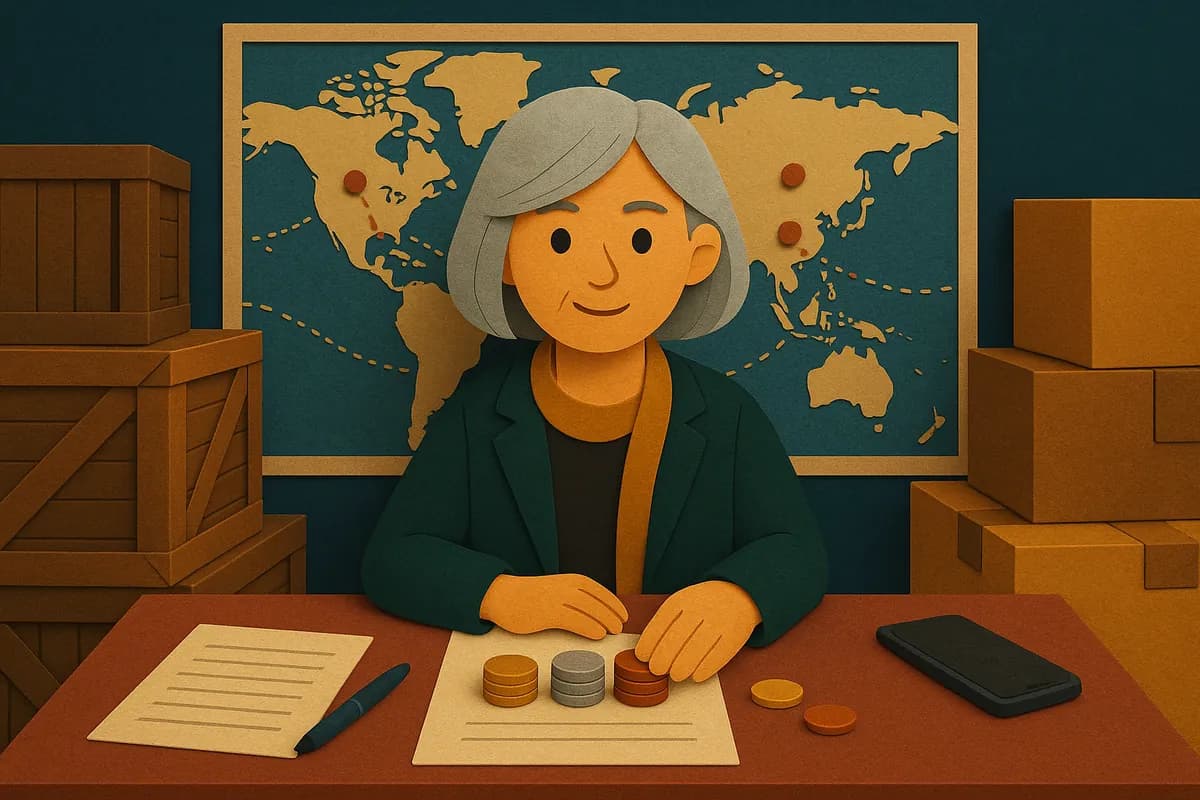
You run the finance function at Aoraki, which means you run the hedging book. Two years ago it covered nine months of forecast USD receipts. Today it covers four. Nobody decided that in a meeting. The MD said the New Zealand dollar looked expensive, the rollovers got shorter, and a book that used to be policy became a position.
The bank's new facility has noticed. Alongside the NZD core and the USD sub-limit sits a minimum hedge-cover covenant; the level is to be agreed at documentation, and the relationship manager has asked you to propose it. The MD's instruction is clear enough: propose the lowest number the bank will accept, because the kiwi is going to fall and the unhedged receipts are where this year's margin lives.
You have the ledger open. Export DSO is 74 days and lengthening. Three-quarters of sales are in USD. The two Greater China distributors pay on open account. Peak shipping starts in three weeks, which means the largest USD receipts of the year are about to be invoiced, and most of them are not covered. In the bank's file, and yours, sits the treasury policy the board approved and sent at the FY23 review: cover six to twelve months ahead, a higher share in the nearer months. Nobody has sent a later one. In the bank's file, and yours, sits the treasury policy the board approved and sent at the FY23 review: cover six to twelve months ahead, a higher share in the nearer months. Nobody has sent a later one.
The bank wants a floor. The MD wants a view. You hold the book. What do you put on?
The board's treasury policy on file calls for cover six to twelve months ahead; the book holds four. Cover that follows a view instead of a cycle is the pattern lenders read first.