
Match It by Friday
TORRENT BAY BOTTLING, FROM THE CFO'S CHAIR
MANUFACTURING · THE CFO'S CHAIR · DIFFICULTY 3/5
What do you do on Friday?
Read your desk
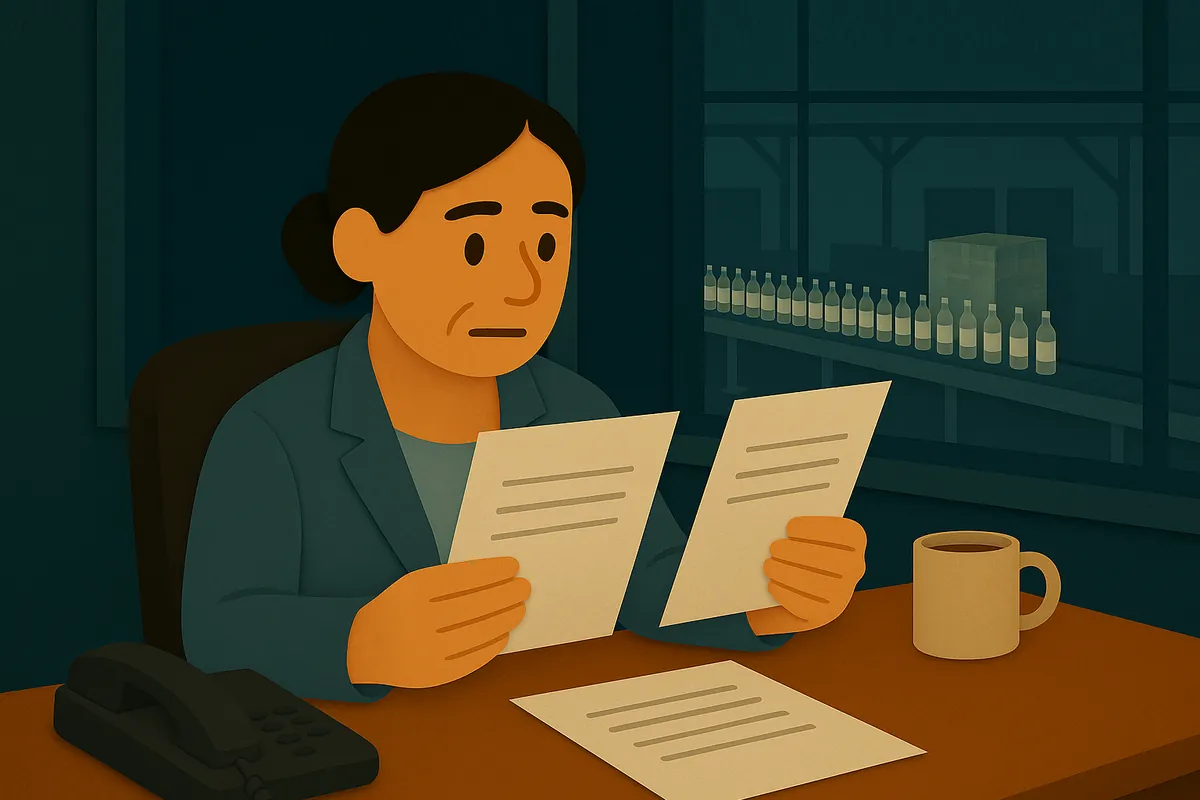

// THE SETUP
You are the CFO of Torrent Bay Bottling, a contract bottler making private-label soft drinks, waters and functional drinks for supermarket chains and brand owners: US$24m of revenue, nine years with the same bank, never a missed payment. On Monday you forwarded it a competitor's term sheet with one line: “We'd rather stay. Match it by Friday.” The sheet was real — forty basis points inside your pricing, no borrowing base, and an advance of 65% against your stock where your bank lends 50%.
Your bank has answered. It matched the price, in full. It kept the borrowing base and the 50% advance, and said why in two sentences: about 70% of your warehouse at any time is finished goods in your customers' own labels, worth full value inside those relationships and very little outside them, and an advance rate exists for the day it has to be sold outside them. It added that if you can show a genuine resale channel for that stock, the advance will move with the evidence.
The competitor's relationship manager rang this afternoon to ask whether you had decided. The extra fifteen points of advance would free real cash, and a growing business can always use it.
It is Thursday. What do you do on Friday?
An advance rate is the share of a stock's value a lender will lend against, set by what the stock would fetch if the lender ever had to sell it. Stock made for one customer, in that customer's label, usually fetches far less in that sale than stock anyone could buy.